Why do people keep building event aggregators for the masses, instead of letting the audience build it themselves?
Is it just me?
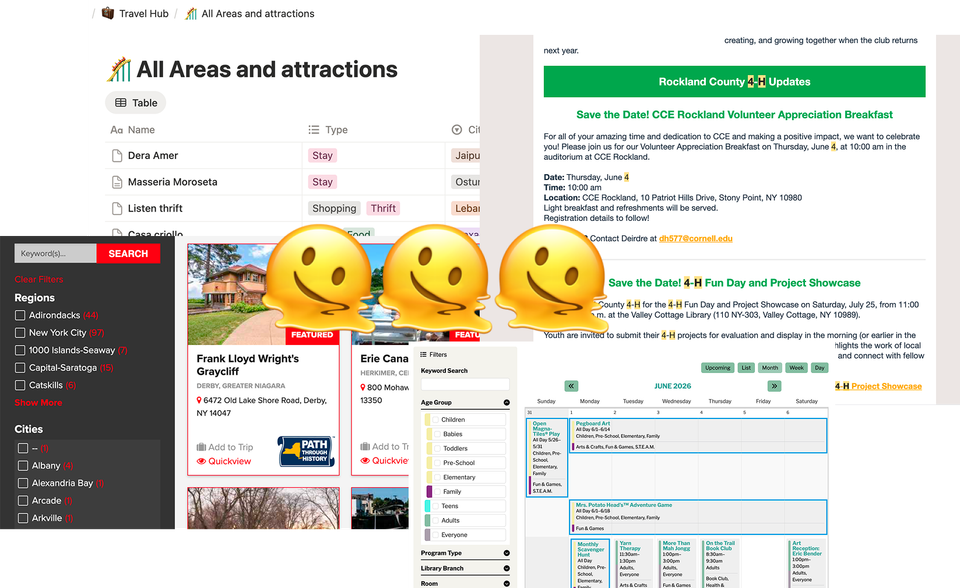
Whenever we move to a new place – be it city or even neighborhood – I immediately get to work finding out what groups are active and activities exist. This includes signing up for newsletters, taking pictures of local flyers, getting recommendations from people, and building tables in Notion. Engaging in a fulfilling way with your community is not a chill activity.
And while I want to know everything that is going on, I also know what I have a specific interest in. As a mom of two young kids, I work around nap times. I would rather go to a pottery open studio instead of a public Holi celebration happening at the pier. I just know myself and know the things we like to do with family and friends.
When I am looking for events to attend, I find myself combing through esoteric web calendars and events lists each time. For example, when we lived in Philadelphia, I would pull up the last week of Billy Penn newsletters, view the weekend filter on VisitPhilly.com, look in my camera roll for the flyer posted outside Dock Street, and then a screenshot of a digital festival flyer from the PhilaQueens Facebook group. Then I would stack rank my preferences and do the math of whether my kids can attend, and then pitch it to the required party (group chat, husband, guest from out of town, etc.) and plan from there. Every day we had free time. This distributed process doesn't get easier or more joyful each time.
At the most basic level, I want to create my own events calendar of things I care about. I want to feed and save resources to be consumed and formatted into a curated list of events that work for my life. And better yet, I would love to let OTHERS make their OWN calendars. Not one calendar pulling in all the "interesting" local events together but rather a "make-your-own-calendar" platform.
Why I am using AI to help me build this
As a professional engineer and designer, building this app in tandem with AI seems like a perfect task for LLMs:
- Clearly mapping out a PRD into multiple feature releases to build out the personal calendar and then expand to the platform offering for other users
- Using agents to build out the technical MVPs quickly while I am at work. This way after hours, I can spend my time on the interesting and hard technical and product problems that actually require my strategic thought
- Parsing and figuring out the non-standard events formats of various sources so we can populate a structured, easily parsable database
What to build first
For the MVP, I am focusing on:
Feature: [Backend]
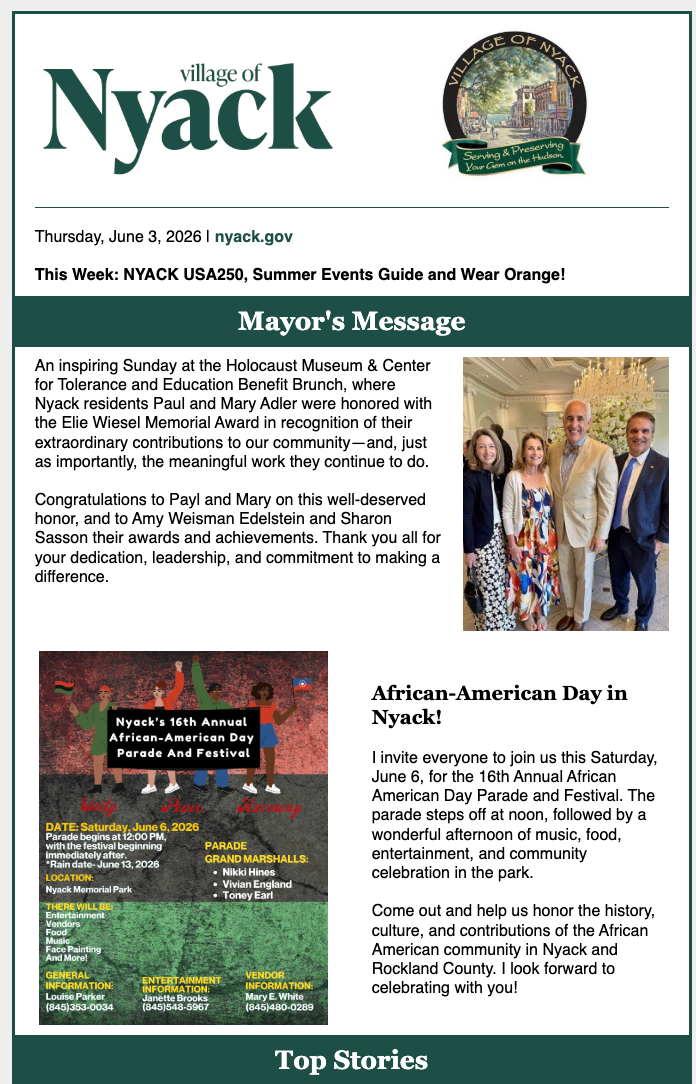
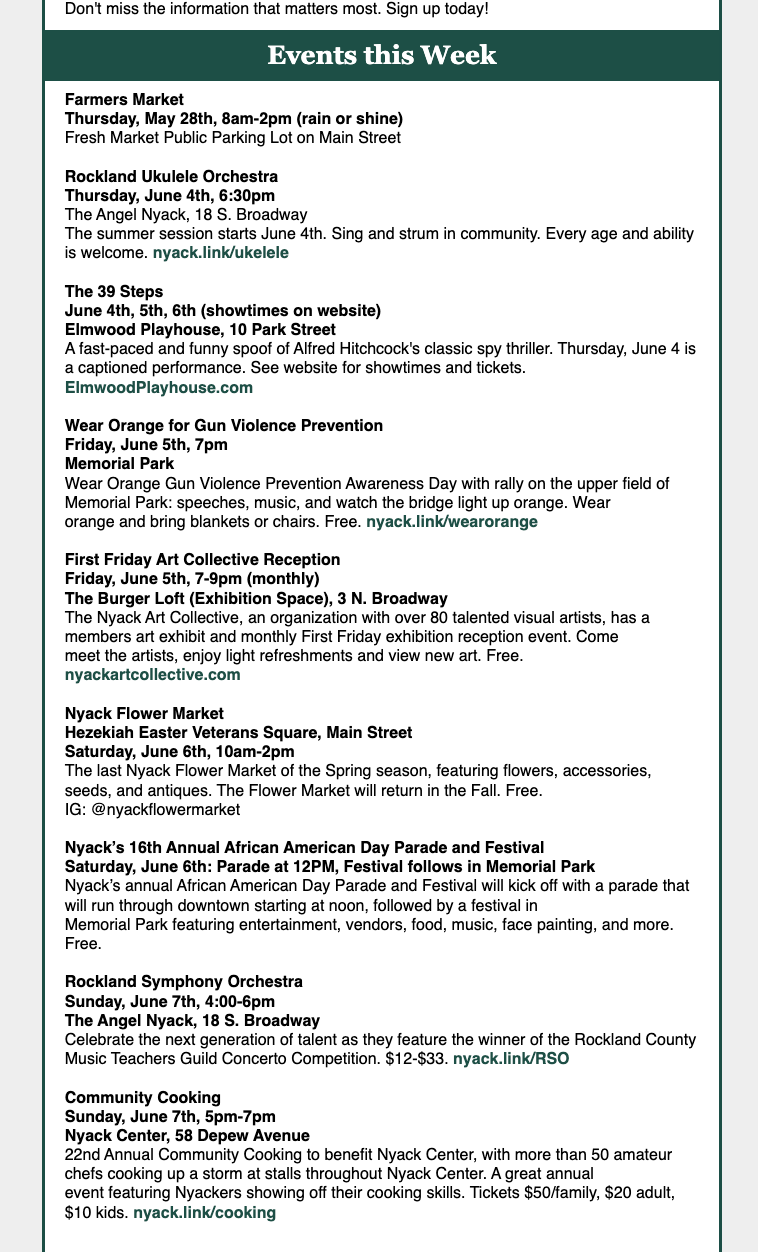
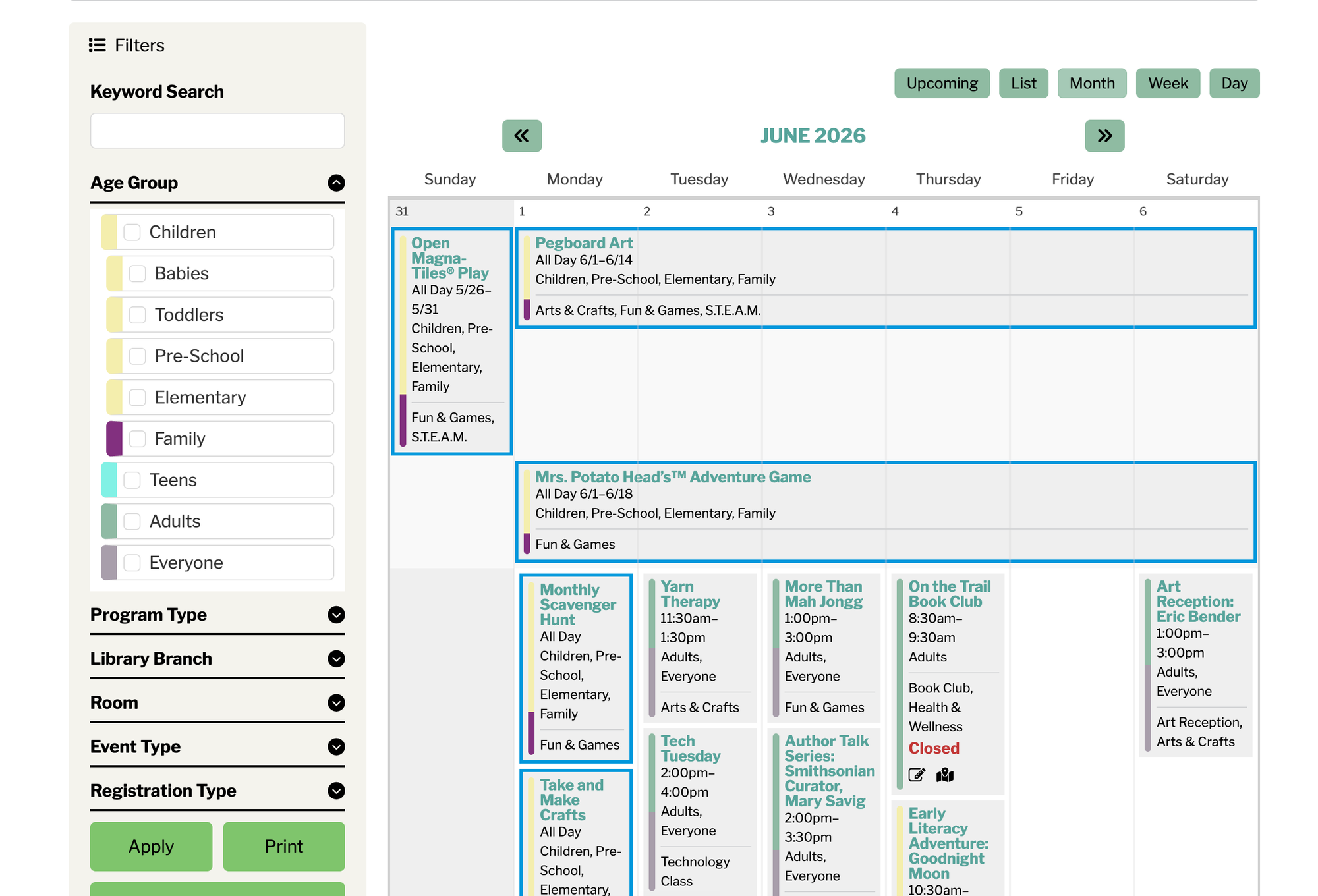
Building an application that can ingest 2 sources, each with a different data type: 1 newsletter (text/ RSS feed?) and 1 calendar on a website (HTML or ICS format?)
Goal:
- Better understanding of the technical difficulties of parsing random resources that seemingly have no shared dataset structure
- Craft that into the smoothest user experience possible for myself
Feature: [Frontend]
Open the application and have a nicely formatted, chronologically ordered set of events for that day, populated by my two ingested sources. I think of the Mindbody App UI I use for exercise classes:
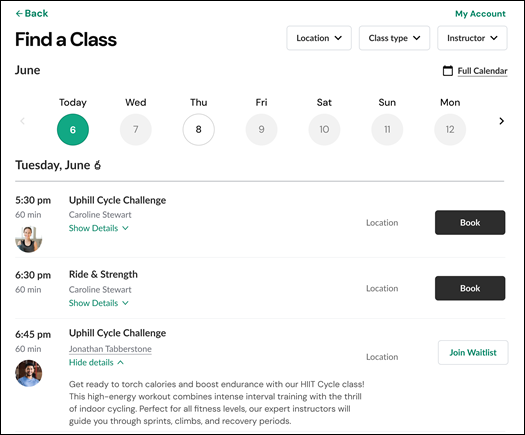
Goal: Design an easily parsable way to present the content from various sources, and generate a list of ideas for V2 for further filters or views I would find useful.
Feature: [DevOps]
Deployed application that doesn't need to be run locally and manually
Goal: Open the app, from my phone, on a Wednesday morning and see which events are occurring from the (currently two) sources I care about.
Ultimately, my success metric is simple:
1.) either find out what is so hard about building an events platform
OR
2.) realize I have found a product gap and release an actually useful product for myself and others who need it
Let's do this thing.